Seamless Patches That Disappear Into Walls
Drywall Patching in Greenville for nail holes, impact damage, and small wall defects in residential properties
Small holes from removed shelving hardware, dents from doorknobs striking walls, and cracks at seams where settling has occurred all create visual blemishes that distract from otherwise well-maintained interiors. Patching addresses these defects by filling voids, reinforcing damaged areas, and refinishing surfaces so repairs blend invisibly with surrounding walls. JM Drywall patches nail holes, impact damage, and small wall damage for residential and commercial clients across Greenville and East Texas, where coastal humidity and ongoing construction activity generate steady demand for repair work that restores smooth, uniform surfaces.
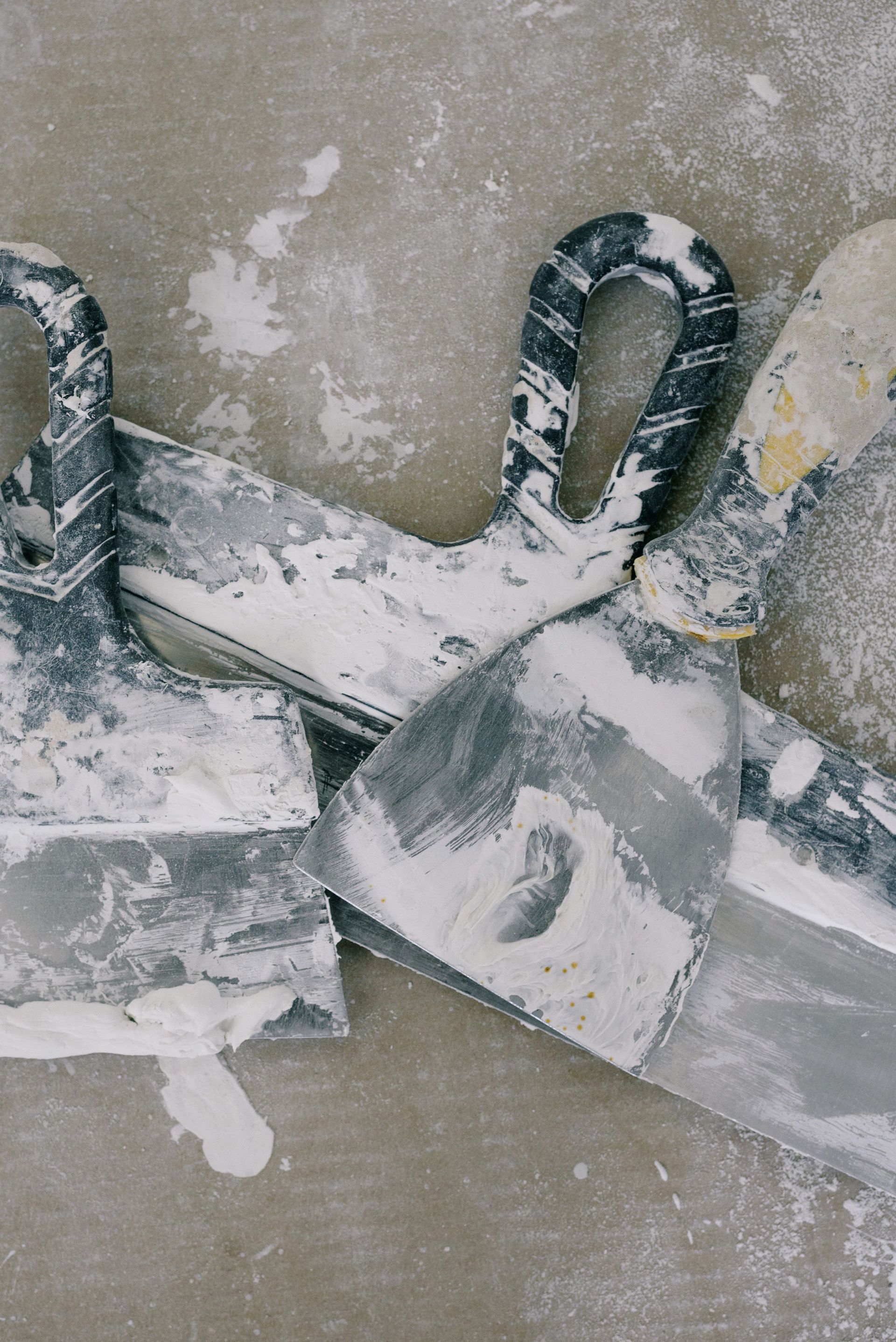
The patching process varies based on damage size and depth. Small fastener holes require only joint compound application, sanding, and texture matching. Larger damage—from fist-sized holes to multi-foot sections—needs backing material installed behind the opening, new drywall pieces cut to fit, then multiple coats of compound applied over tape or mesh to build a level surface. Texture matching determines whether the repair becomes invisible or remains a noticeable patch, requiring spray equipment or hand tools that replicate the existing wall finish.
Schedule a repair consultation to review all damaged areas and receive recommendations for patching versus section replacement.
What You Notice Once Patches Are Finished
Patching begins with cleaning loose material from damaged edges, cutting back to solid drywall if necessary, then applying backing or filler material depending on hole size. Joint compound goes on in thin layers, drying between coats, with each pass sanded smooth before the next application. Final texture matching uses spray guns, brushes, or sponges to replicate knockdown, orange peel, or other finishes common in Rockwall County and East Texas residential construction. Primer follows texture application, sealing the repair and preparing the surface for paint that matches the existing wall color.
Completed patches feel smooth to the touch without ridges or depressions, and painted repairs disappear into the surrounding wall without visible borders or color differences. Light striking the surface at angles no longer reveals shadows around former damage locations. Walls that previously showed multiple blemishes from years of use now present clean, uninterrupted surfaces ready for new decor or real estate photography.
Texture matching separates professional patches from amateur attempts that remain visible despite paint application. Different spray tips and compound consistencies produce the various textures used across East Texas homes, and replicating them requires both the right equipment and experience judging how heavily to apply material before it becomes too thick or runs down the wall.
Common Questions About This Service
Homeowners preparing properties for sale or updating interiors often ask about patching costs, repair durability, and how visible the finished work will be.
What size damage can be patched instead of requiring full panel replacement?
Holes up to six inches across can typically be patched with backing material and compound, while larger damage often warrants cutting out the entire section between studs and installing new drywall for better structural results.
How do you match texture on patched areas?
Matching involves identifying the existing finish type—knockdown, skip trowel, orange peel, or smooth—then using spray equipment, trowels, or rollers with the right compound consistency to replicate the pattern before it dries.
Why do some patches crack or show through paint later?
Cracks appear when compound isn't applied in thin enough coats, when repairs aren't fully dry before painting, or when the underlying damage involved movement or settling that continues after the patch is complete.
When should you patch drywall instead of ignoring minor damage?
Patching makes sense before listing a property for sale, when damage is expanding from settlement or moisture exposure, or when accumulating blemishes detract from the appearance of otherwise well-maintained spaces.
How long does joint compound take to dry between coats in Port Aransas humidity?
Coastal humidity extends drying time compared to arid climates, with each compound layer requiring four to twelve hours before sanding and recoating depending on thickness, ventilation, and ambient moisture levels.
JM Drywall provides texture matching expertise for seamless repairs throughout the East Texas service region. Reach the company at (817) 228-4767 to arrange an evaluation of damaged areas and discuss whether patching or replacement offers the best solution for your property.