Patches That Disappear Into Existing Walls
Texture matching and drywall repair in Greenville for seamless integration of patched sections with original finishes
Older residential properties across East Texas and Greenville feature varied wall textures applied over decades of construction, from heavy popcorn finishes to light orange peel patterns, making patch work visible unless texture is replicated precisely. You need this service when drywall repairs, hole patching, or water damage remediation leave smooth sections that contrast sharply with surrounding textured surfaces, creating obvious visual inconsistencies even after painting. JM Drywall replicates spray pattern, texture depth, and finish consistency on repaired sections so patches become invisible once paint is applied.
The process begins with identifying the existing texture type by examining spray pattern density, droplet size, and whether the finish was knocked down or left in full relief. Multi-decade East Texas construction means homes often have textures no longer commonly applied, requiring custom spray adjustments to match original finishes. Once texture type is confirmed, spray equipment is calibrated to replicate the pattern on test surfaces before application to the repaired area.
Arrange an on-site evaluation to identify your existing texture type and review sample finishes before repair work begins.
How Texture Matching Addresses Visible Repairs
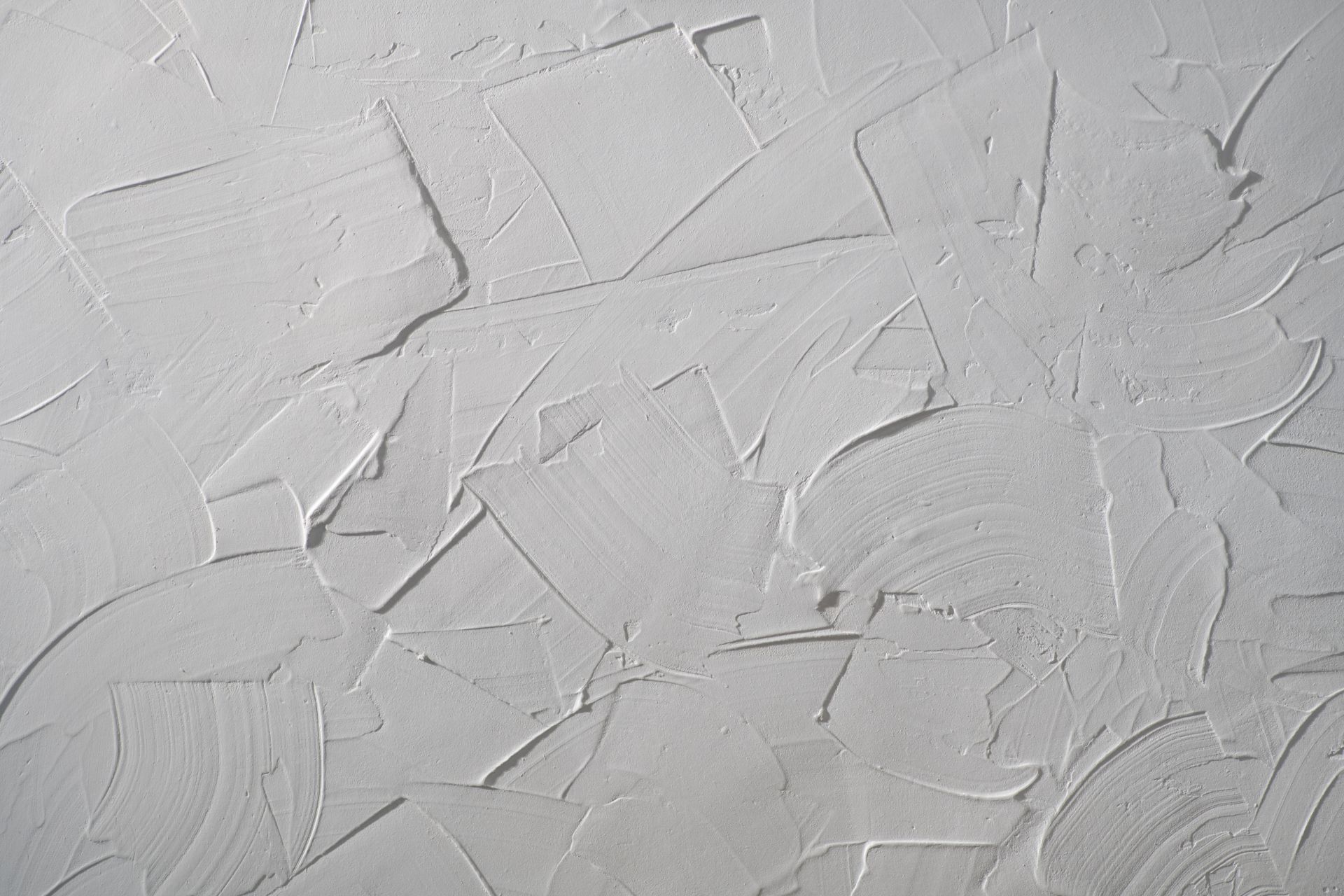
Texture replication involves adjusting spray nozzle size, air pressure, and application distance to control droplet formation and pattern density, then testing on scrap material until the finish matches the surrounding wall. Knockdown textures require an additional step where a trowel is passed lightly over the wet spray to flatten peaks, and timing this step correctly determines whether the texture blends or remains visibly different from the original surface.
After texture application and drying, you'll see a continuous surface where the patch was, with no change in pattern or depth across the transition from original drywall to repaired sections. The matched texture accepts paint uniformly, preventing the flat spots or sheen differences that occur when smooth patches are painted alongside textured walls, and ensures that even in angled light the repair remains undetectable.
Some textures, particularly heavy popcorn or custom hand-troweled finishes, require multiple coats and adjustments to achieve depth and relief that matches decades-old applications. Repairs on these surfaces take longer than standard orange peel or knockdown matching because the finish must be built up gradually rather than applied in a single pass.
Common Questions About Texture Matching
Homeowners often want to understand how closely patches can match original finishes and what factors affect replication accuracy.
What texture types can be matched on repaired drywall?
Most common residential textures including orange peel, knockdown, skip trowel, and popcorn can be replicated using spray equipment and trowel techniques, though heavily customized hand-applied finishes may show slight variation because original application involved manual inconsistencies that are difficult to reproduce mechanically.
How do you match texture on water-damaged sections in Greenville homes?
Water damage repairs often require texture matching across larger areas where moisture has softened or discolored existing finishes, so the entire affected section receives new texture after damaged drywall is replaced, ensuring consistent pattern depth and spray coverage that blends with adjacent undamaged walls.
Why does painted texture sometimes look different than the surrounding wall?
Paint sheen and primer coverage affect how texture appears under light, so even perfectly matched spray patterns can look inconsistent if the repaired area receives different primer coats or paint with a different sheen level than what exists on the original surface.
When should I re-texture an entire wall instead of just the patch?
If the original texture is severely faded, damaged across multiple areas, or applied in a style no longer achievable with modern equipment, re-texturing the full wall from corner to corner ensures uniform appearance and eliminates the challenge of matching a finish that has degraded unevenly over time.
How long does texture need to dry before painting?
Spray texture typically requires 24 hours of drying time before primer or paint application, though high humidity in coastal areas like Port Aransas can extend drying periods, and applying paint too early traps moisture in the texture compound causing adhesion failures or finish discoloration.
JM Drywall specializes in invisible patch work throughout East Texas, ensuring repairs blend seamlessly with original finishes regardless of texture age or style. Contact us to schedule texture assessment and review test samples matched to your specific wall finish.