Walls Restored After Moisture Intrusion
Water-damaged drywall repair in Greenville for compromised panels caused by coastal humidity, storm intrusion, and plumbing failures
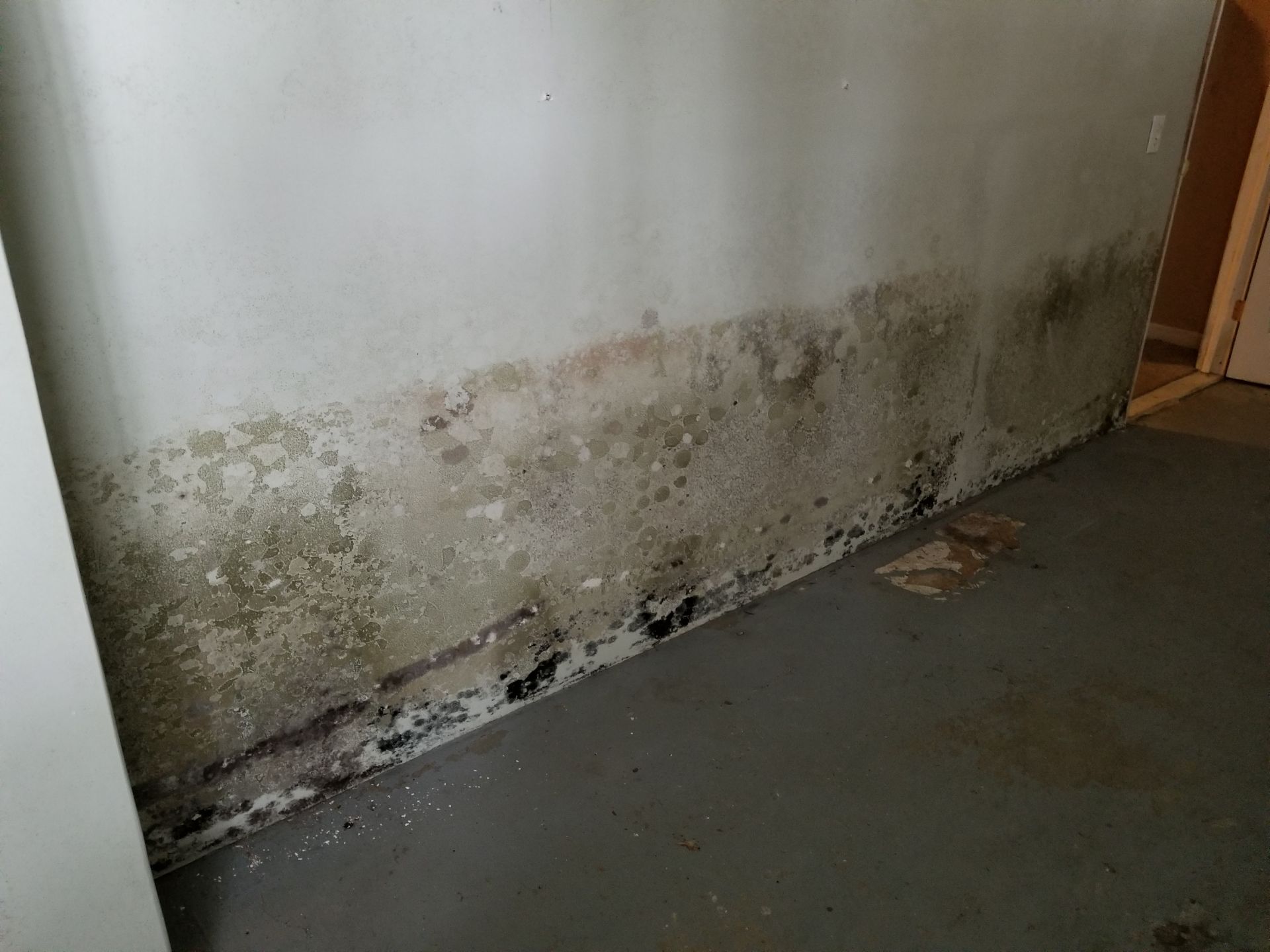
Coastal humidity and seasonal moisture penetration create persistent drywall damage across Greenville and the surrounding areas, where salt air accelerates deterioration and even minor leaks cause gypsum cores to soften and crumble. Homeowners notice bubbling paint, discolored patches, soft spots when pressing on walls, or visible sagging where panels have absorbed enough water to lose structural integrity. JM Drywall repairs water-damaged walls by removing compromised sections, replacing them with moisture-resistant materials, and matching existing textures so repairs blend invisibly once the work is finished.
Repair work begins with identifying affected sections and confirming the moisture source has been addressed, whether from roof leaks, plumbing failures, or exterior penetration during storms. Damaged drywall is cut away, exposing framing to verify no mold growth or wood rot exists behind the panels, then new drywall is installed and finished to match surrounding surfaces.
Schedule a moisture assessment to locate the intrusion source and determine how much drywall requires replacement before visible damage spreads further.
Why Coastal Moisture Causes Drywall Failure
Standard drywall absorbs atmospheric moisture in humid coastal environments, and once the gypsum core becomes saturated, it loses rigidity and begins to crumble when touched or painted. Salt air near Corpus Christi Bay compounds this deterioration by introducing corrosive particles that weaken both drywall surfaces and fasteners, causing rust stains and panel separation from framing. Moisture-resistant drywall contains additives that slow water absorption, preventing the soft spots and mold growth that occur when standard panels remain in high-humidity areas for extended periods.
After repair, you'll see walls that are firm to the touch with no soft spots, even texture across patched and original sections, and no discoloration from water stains or mold growth. The new panels resist atmospheric moisture better than standard drywall, preventing the deterioration cycle that caused the original damage, and properly sealed seams prevent future moisture migration into the wall cavity.
Addressing the root moisture source before final repair is critical, because installing new drywall over active leaks or unresolved humidity issues results in the same damage recurring within months. This often requires coordinating with roofers, plumbers, or HVAC contractors to fix the intrusion point before drywall work proceeds.
What Property Owners Usually Ask
Water damage raises questions about how much material needs replacement, what causes recurring issues, and whether repairs will be visible after completion.
What does water-damaged drywall feel like?
Compromised panels feel soft or spongy when pressed, rather than firm and solid, and the paper surface may bubble or peel away from the gypsum core, indicating the material has absorbed enough moisture to lose structural integrity and must be replaced rather than patched.
How far does water damage typically spread beyond visible stains in Port Aransas homes?
Moisture often migrates through wall cavities beyond the visible discoloration, so affected areas are tested by pressing along the perimeter to identify soft spots, and removal extends past visible damage until firm, dry drywall is reached to ensure all compromised material is cleared.
Why does coastal humidity cause drywall problems even without direct leaks?
Salt air carries moisture particles that penetrate walls through small gaps around windows, doors, and electrical outlets, and this atmospheric moisture accumulates in gypsum cores over time, particularly in poorly ventilated spaces, causing gradual softening and eventual deterioration even when no acute water intrusion occurs.
When should I use mold-resistant drywall after water damage?
If the damaged area experienced prolonged moisture exposure, mold growth behind removed panels, or is located in naturally humid spaces like bathrooms or coastal-facing walls, mold-resistant or moisture-resistant drywall prevents recurrence and provides better long-term durability in environments where atmospheric humidity remains elevated year-round.
How do you prevent water damage from happening again after repairs?
Repairs include sealing penetrations where moisture entered, improving ventilation in high-humidity areas, and using moisture-resistant materials that tolerate coastal conditions better than standard drywall, but homeowners must also address exterior issues like damaged flashing, clogged gutters, or failing caulk that allowed water intrusion initially.
JM Drywall specializes in water damage repair across Greenville and the surrounding areas, addressing both acute storm intrusion and chronic coastal moisture deterioration. Arrange an evaluation that includes moisture detection and source identification to prevent damage recurrence once repairs are complete.