Removing Deteriorated Walls That Can't Be Saved
Drywall Replacement in Greenville for water-damaged, obsolete, or structurally compromised wall sections
Sagging ceilings, walls soft to the touch, and panels with visible mold growth indicate damage beyond what patching can address. Full-wall replacement becomes necessary when water damage extends across large sections, when repeated moisture exposure has degraded the gypsum core, or when outdated materials no longer meet current building standards. JM Drywall replaces deteriorated, water-damaged, or obsolete drywall in residential and commercial spaces across Greenville, where storm exposure and coastal moisture create conditions that regularly compromise panels installed without adequate moisture resistance.
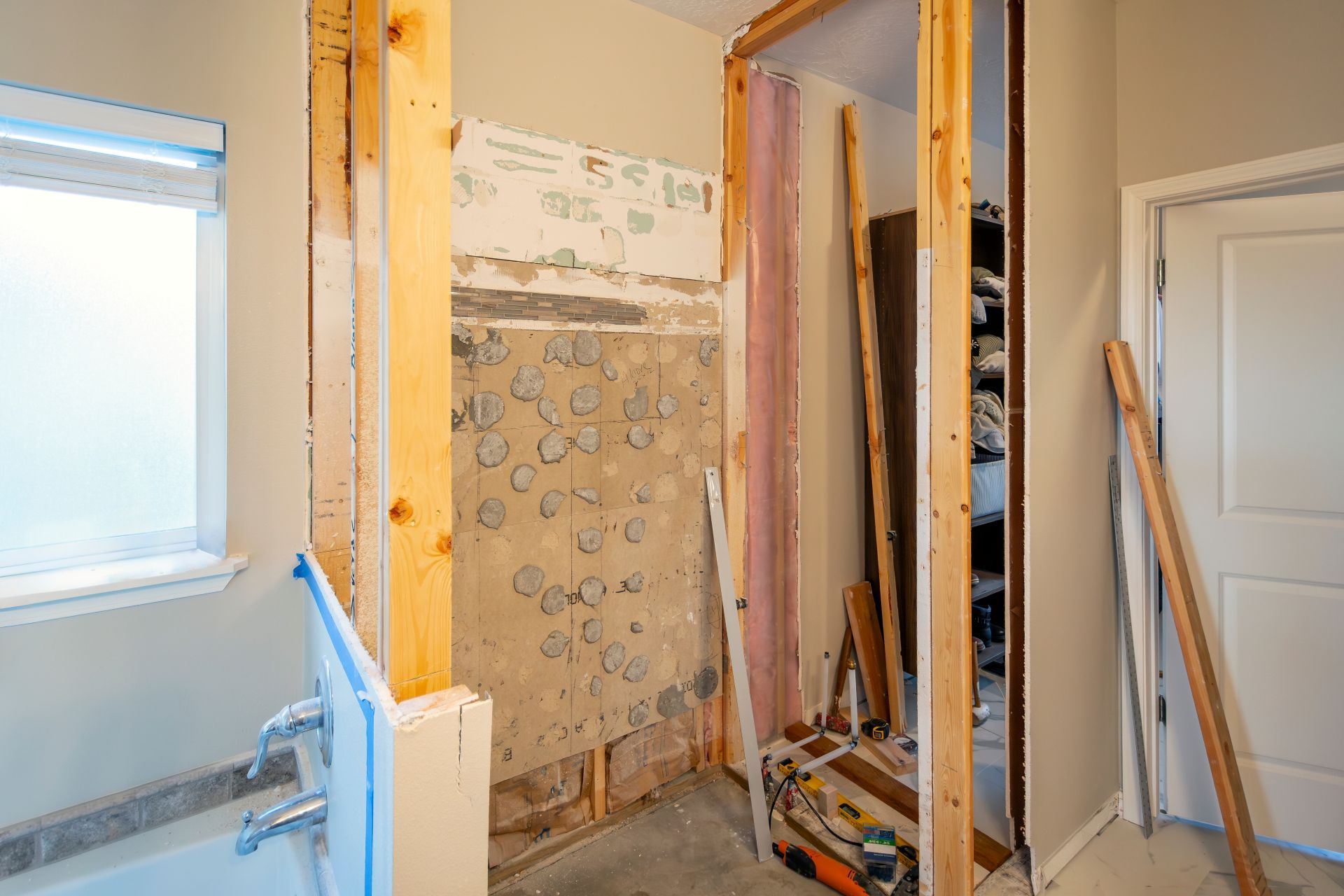
Replacement involves removing damaged panels to expose wall framing, inspecting for mold or structural damage behind the surface, addressing those issues, then installing new drywall with proper fasteners. Water damage from coastal moisture and storm exposure common in this region often requires replacing entire walls rather than attempting to patch sections, since saturation spreads through the gypsum core beyond visible staining. New panels go up using the same hanging techniques as new construction, followed by taping, mudding, sanding, and texture application to match adjacent walls.
Arrange an on-site inspection to determine whether your situation requires localized replacement or more extensive work to address hidden damage.
Why Full Replacement Works When Patching Doesn't
Removing damaged panels begins with cutting along stud lines to create clean edges, pulling out fasteners, then disposing of compromised material. Exposed framing gets inspected for rot, mold, or insect damage, with any affected wood treated or replaced before new drywall installation begins. New panels are cut to fit the opening, lifted into position, then secured with screws at code-required intervals. Joint compound application follows, covering seams and fastener heads through multiple coats, with sanding between each layer to build a smooth surface that blends with the existing wall texture.
After replacement, walls regain structural integrity and feel solid without soft spots or flexing when pressed. Previously water-stained or mold-affected areas now present clean surfaces without odor or discoloration. Rooms that showed visible damage across large sections return to normal appearance once new panels are finished and painted, with properly matched texture making it impossible to identify where old material ended and new installation began.
Replacement also provides an opportunity to upgrade to moisture-resistant materials in vulnerable areas, install additional insulation if wall cavities are exposed, or improve soundproofing between rooms by using thicker panels or resilient channel mounting systems. These improvements add value beyond simply restoring the damaged area, particularly in coastal environments where future moisture exposure remains a constant concern.
What Property Owners Usually Ask
Building owners facing extensive drywall damage often have questions about the replacement process, material options, and how to prevent recurrence.
What determines whether damage requires replacement instead of repair?
Damage extending across more than thirty percent of a wall section, panels with compromised structural integrity from water saturation, or mold growth penetrating into the gypsum core all indicate that replacement offers better results than attempting to salvage existing material.
How does drywall replacement differ from new construction installation?
Replacement requires matching existing wall thickness, texture, and finish, involves working around furniture and occupied spaces, and demands more precise cutting to fit new panels into openings with existing drywall on adjacent walls.
What type of drywall should replace water-damaged panels in Greenville?
Moisture-resistant panels with treated cores help prevent future mold growth and paper delamination in areas exposed to Gulf Coast humidity, particularly in bathrooms, kitchens, and exterior walls facing prevailing winds from the bay.
When should you replace drywall after discovering water damage?
Replacement should begin after identifying and fixing the water source, allowing affected framing to dry completely, and confirming no mold or rot exists in structural members behind the damaged panels.
How do you match texture when replacing sections of existing walls?
Matching requires identifying the finish type used throughout the space, then replicating that pattern using spray equipment, hand tools, or application techniques that produce the same visual result once the compound dries.
JM Drywall handles complete panel replacement throughout the East Texas service region, addressing both water damage and structural deficiencies that make patching impractical. Call (817) 228-4767 to discuss material selection and project scope for your replacement needs.